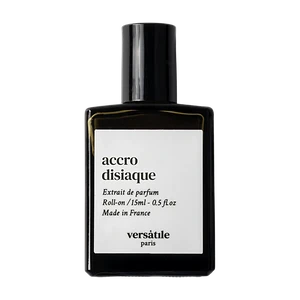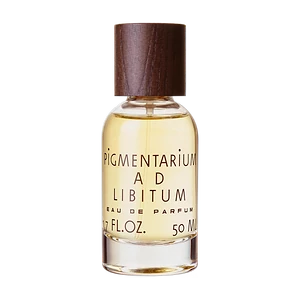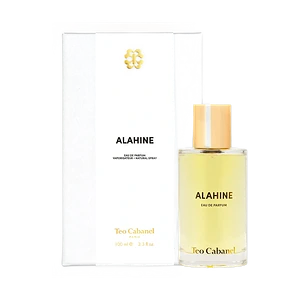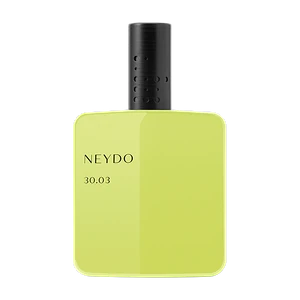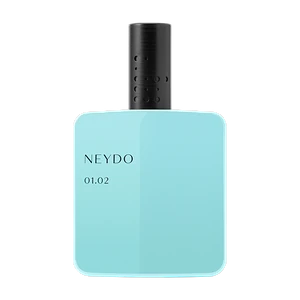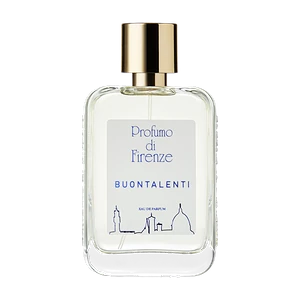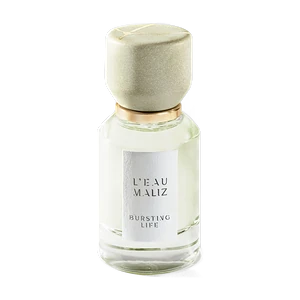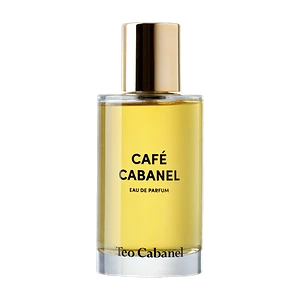
Musk perfumes
Musk is rarely the first thing you notice in a perfume. It adds warmth and softness, recalls clean skin and holds the other notes together. Without it many perfumes would feel sharper and fade sooner.
Where it comes from
It is named after a strong-smelling substance from a gland of the musk deer. The word reached European languages from Sanskrit, through Persian and Greek. Natural musk was used in perfumery until the late 19th century and was one of the most expensive animal materials in the world.
How the scent of musk is made
Today the musk in perfume is almost always synthetic. The chemist Albert Baur made the first artificial musk by accident in 1888, while looking for a stronger explosive. Whole groups of musk molecules have followed, and perfumers use them as a base note that makes a perfume last.
Musk with other notes
Musk suits almost any note, so it turns up in the base of very different perfumes. It is most often combined with vanilla, bergamot, cedar and sandalwood. With vanilla and sandalwood it turns warm and creamy, and with bergamot and floral notes it reads as clean and airy.